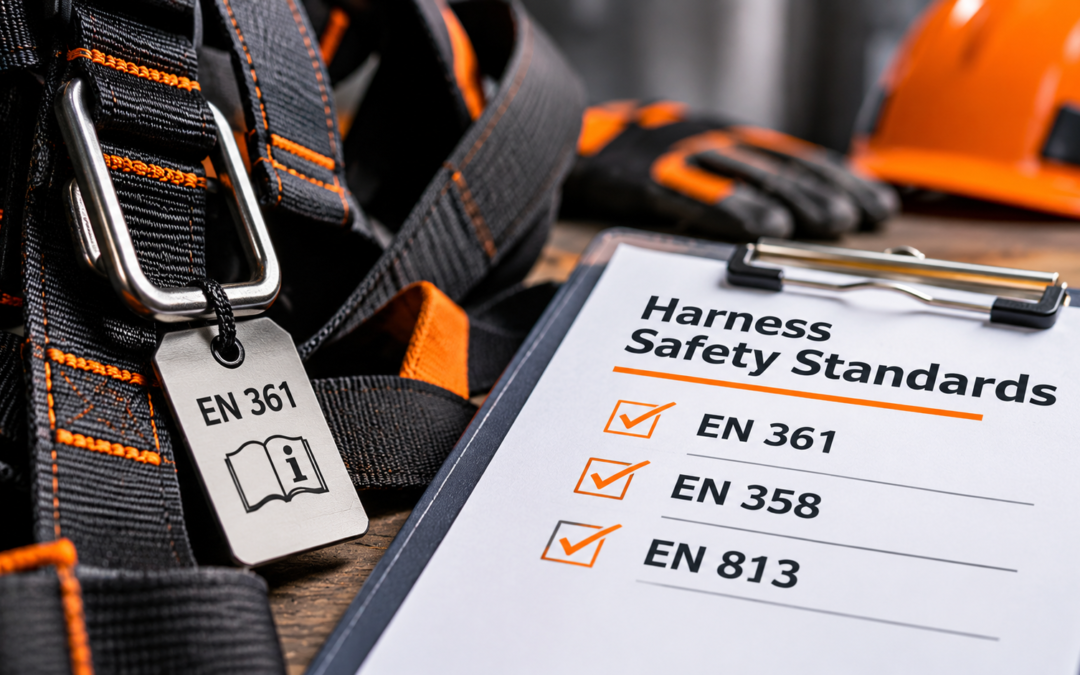
Understanding EN 361, EN 358, EN 813 and the importance of choosing the right harness for working at height.
When working at height, choosing the correct safety harness is essential. Whether you’re working on scaffolding, operating a MEWP, carrying out roof maintenance or undertaking rope access work, your equipment must be suitable for the task and the risks involved.
But what do the different harness safety standards actually mean? Understanding these standards helps employers, safety managers and workers make informed decisions when selecting and using fall protection equipment.
Why Are Harness Safety Standards Important? Safety harnesses are designed for different working environments and applications. Not every harness provides the same level or type of protection. In the UK, the Work at Height Regulations 2005 require work at height to be properly planned, supervised and carried out using suitable equipment.
Relevant British and European standards establish requirements for the design, performance and testing of personal fall protection equipment. However, compliance with a standard doesn’t automatically make a harness suitable for every task. The complete system must be correctly selected, fitted and used.
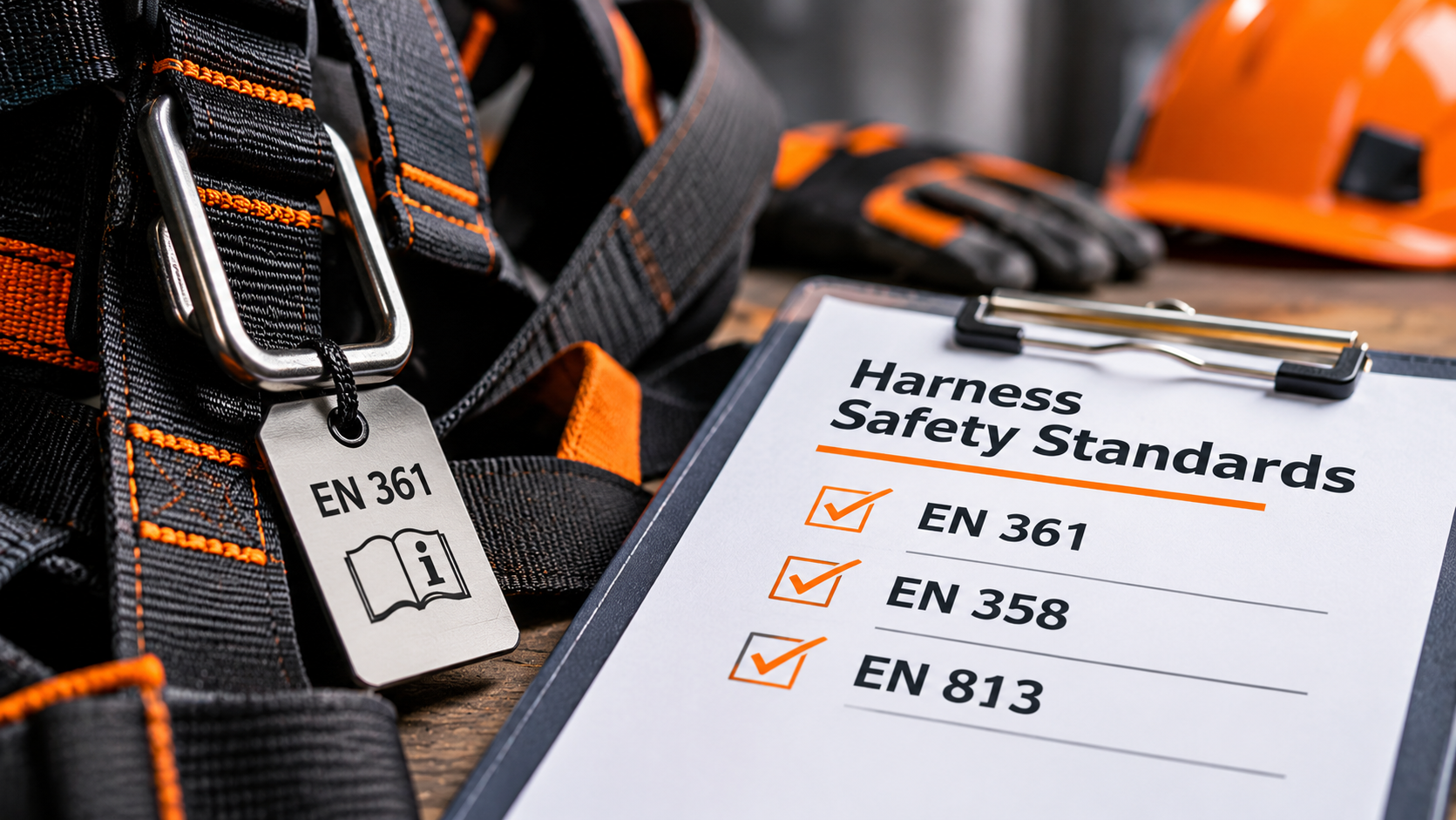
EN 361 – Full Body Fall Arrest Harnesses
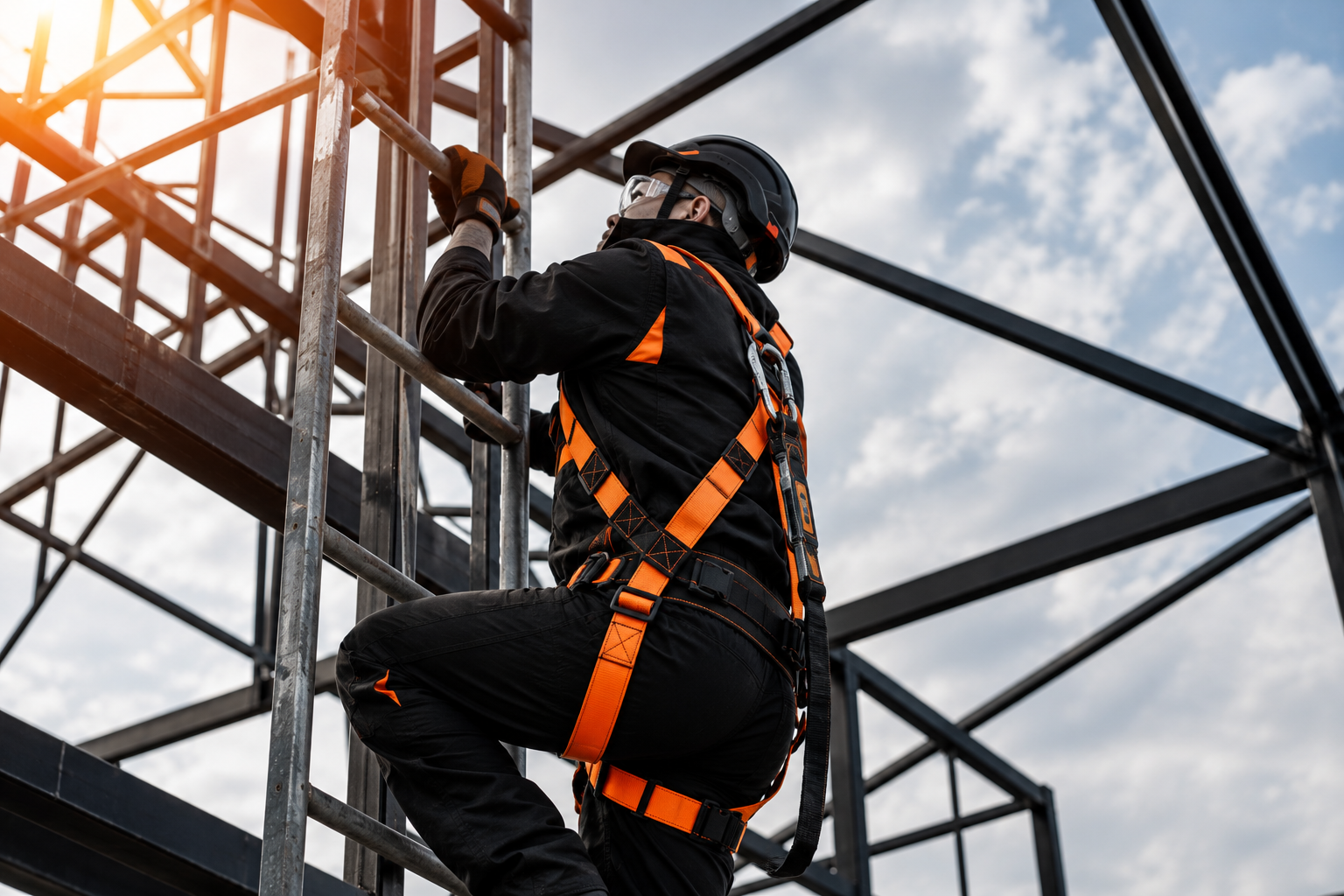
EN 361 is the primary standard for full body harnesses intended for fall arrest applications. These harnesses are designed to support the body and distribute arrest forces during a fall when used as part of a suitable fall arrest system. They typically feature designated fall arrest attachment points, such as dorsal or sternal connections, depending on the harness design.
EN 361 harnesses are commonly used in: – Construction and scaffolding – Roof maintenance – Industrial maintenance – Other applications requiring personal fall arrest protection A full body harness alone does not provide complete fall protection. It must be used with compatible connecting equipment, a suitable anchorage system and adequate fall clearance.
EN 358 – Work Positioning and Restraint
EN 358 covers belts and lanyards designed for work positioning or restraint. Work restraint systems are designed to prevent users from reaching a position where a fall could occur. Work positioning systems provide support while the user works in a particular position, often allowing both hands to remain free. These systems may be used for activities such as telecommunications maintenance, utility work and certain industrial applications. It’s important to remember that equipment designed solely for work positioning or restraint must not be used to arrest a free fall. Where a fall risk remains, a suitable additional fall protection system may be required.
EN 813 – Sit Harnesses
EN 813 covers sit harnesses used in restraint, work positioning and rope access applications. These harnesses feature a low attachment point and are designed to support users in seated or suspended working positions. They are commonly associated with specialist rope access and industrial access activities. An EN 813 sit harness alone is not suitable for fall arrest. Where fall arrest protection is required, the equipment must also meet the relevant requirements, including EN 361. Other Important Fall Protection Standards A safety harness is only one component of a complete fall protection system. Other equipment must also meet the relevant standards. Standard Equipment
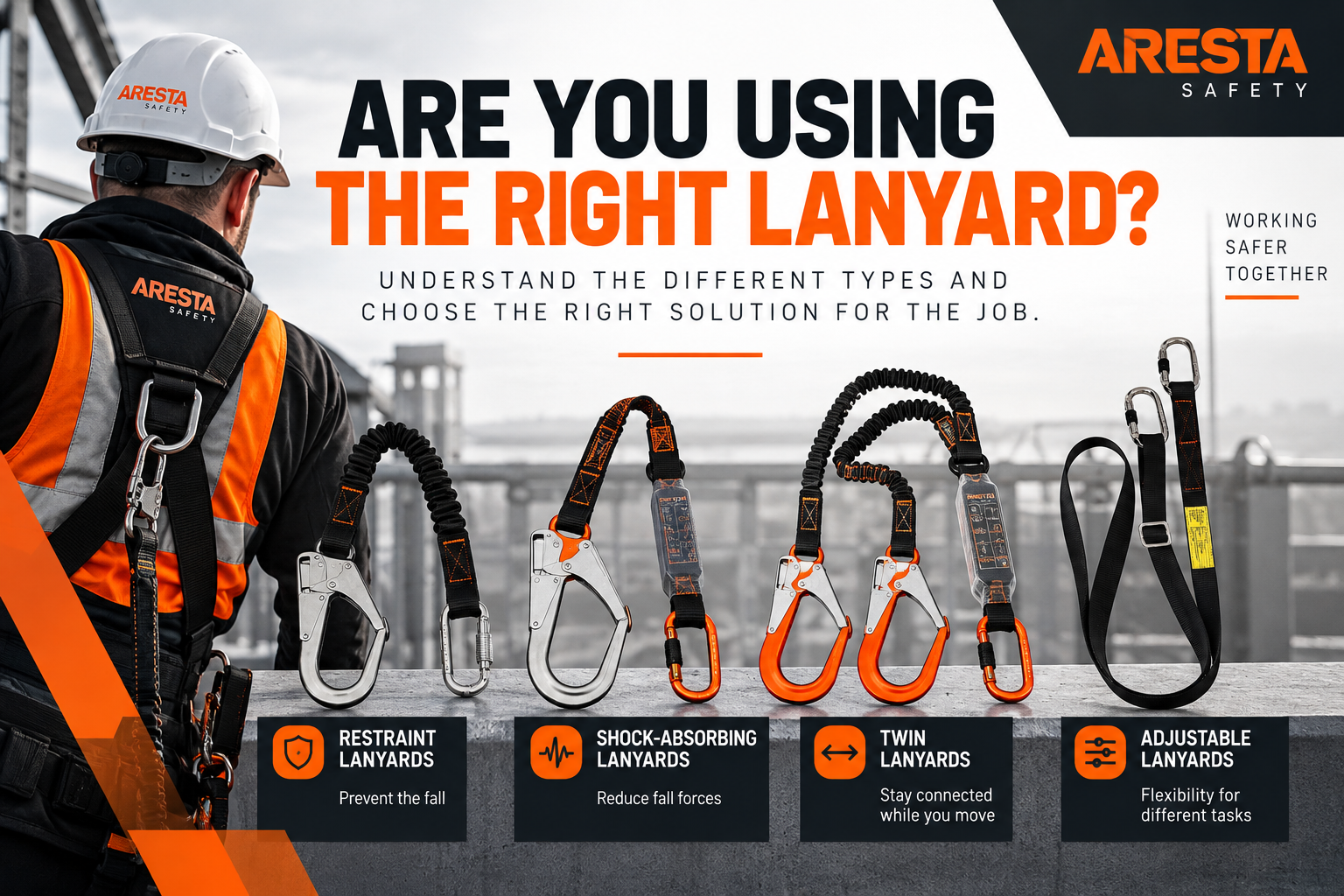
EN 354 Lanyards
EN 355 Energy absorbers
EN 360 Retractable type fall arresters
EN 362 Connectors and karabiners
EN 363 Personal fall protection systems
EN 365 Instructions, maintenance, inspection and marking requirements
EN 795 Anchor devices Understanding these standards is particularly important when selecting lanyards, connectors and anchorage equipment to use alongside a harness. Equipment compatibility is essential. Components must work together as a complete system without compromising their intended safety function.
How Often Should a Safety Harness Be Inspected? Even a certified safety harness can become unsafe through wear, damage or incorrect storage. The Health and Safety Executive (HSE) recommends three levels of inspection: Pre-use checks: Carried out by the user before each shift to identify visible damage, wear or defects.
Detailed inspections: Formally recorded inspections by a competent person, generally at least every six months. More frequent inspections may be required depending on the working environment and equipment use. Interim inspections: Additional checks where working conditions or exposure to potentially damaging substances create increased risks. During an inspection, particular attention should be given to webbing, stitching, buckles, attachment points, labels and any signs of deterioration. Any equipment showing signs of damage, or suspected of having arrested a fall, must be removed from service and assessed in accordance with the manufacturer’s instructions.
Choosing the Right Harness for the Job Before selecting a safety harness, consider the following:
– Application: Is the equipment intended for fall arrest, work restraint, work positioning or rope access?
– Compliance: Does the harness meet the relevant standards for its intended use?
– Fit and Comfort: Can the harness be correctly adjusted to fit the user?
– Compatibility: Will it work safely with the selected lanyard, connectors and anchorage system?
– Inspection: Is the equipment in good condition and within its permitted service life?
– Rescue Planning: Are suitable arrangements in place should a fall occur? Where possible, collective protection measures such as guardrails should be prioritised before relying on personal fall protection equipment.
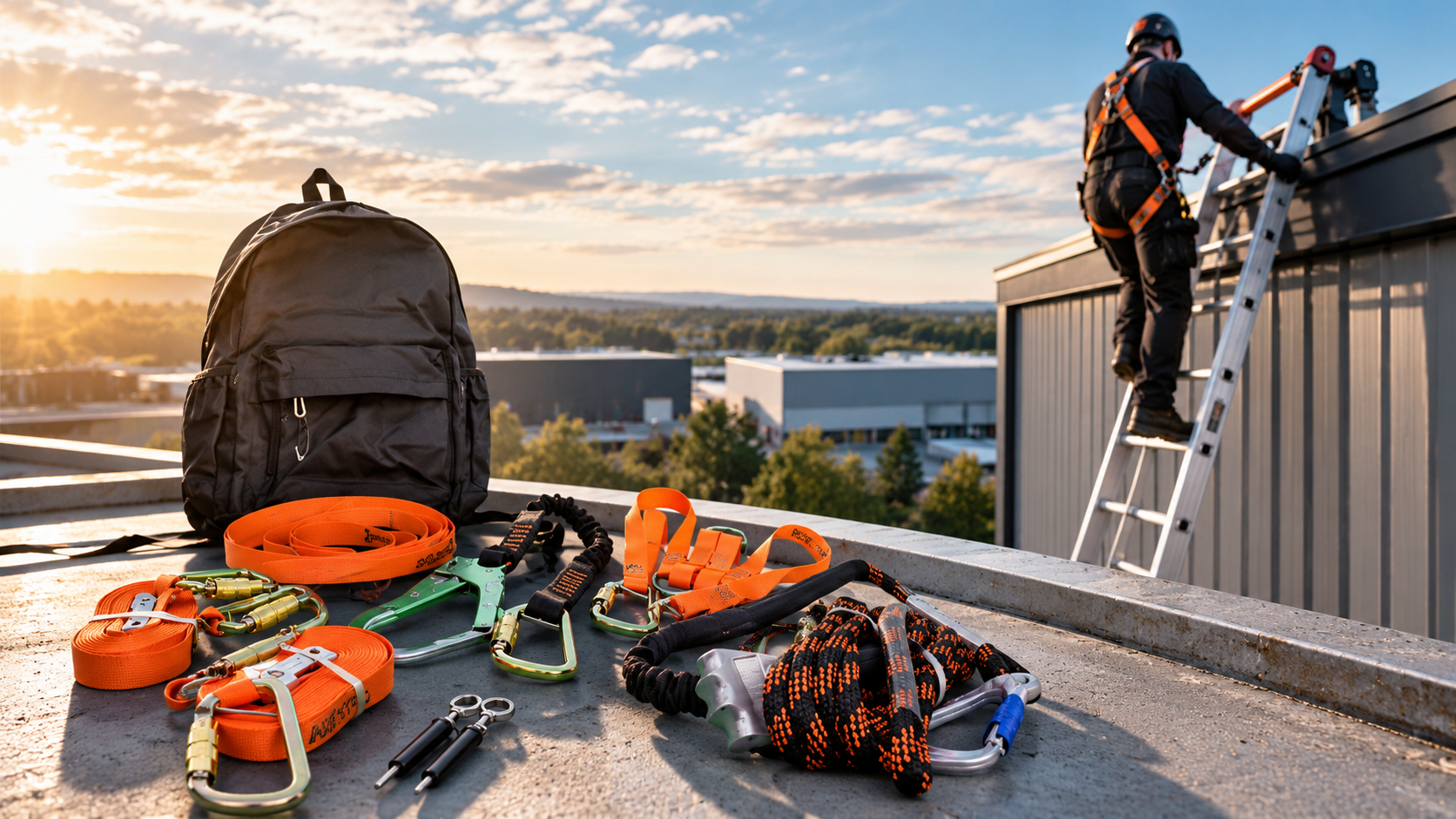
At ARESTA Safety, we understand the importance of selecting the right equipment for working at height. Our range of safety harnesses, lanyards, lifelines and harness kits is designed to support a variety of applications across construction, maintenance and industrial environments. Whether you’re selecting equipment for MEWP operations, scaffolding or general working at height, understanding the relevant safety standards is an important step towards creating a safer working environment.